


Introduction:
Have you ever dreamed of building your own online marketplace, a platform where buyers and sellers can connect and trade just like on eBay? Well, you’re not alone! In an age where e-commerce is booming, creating a website like eBay is not just an ambitious dream—it’s an achievable goal. With the right tools, a sprinkle of creativity, and a clear strategy, you can tap into the bustling world of online auctions and sales, carving out a niche that reflects your unique vision.
In this article, we’ll guide you through the essential steps to launch your very own eBay-style website in 2026. Whether you’re a budding entrepreneur or a seasoned developer, we’ll break down the process into manageable pieces, empowering you with the knowledge to succeed. From choosing the right technology stack to implementing effective marketing strategies, we’ve got you covered. So, roll up your sleeves and get ready to turn your idea into a thriving online marketplace—your journey to e-commerce success starts right here!
Understanding the eBay Model and What Makes It Successful
The eBay model is an innovative blend of auction and fixed-price selling that has reshaped the way individuals and businesses engage in online commerce. At its core, eBay operates as a peer-to-peer marketplace, allowing users to buy and sell products directly. This model empowers sellers to set their own prices, whether through auctions or instant listings, giving buyers a diverse range of options. The sense of competition in auctions often results in dynamic pricing, which can be advantageous for both buyers looking for deals and sellers aiming to maximize profit.
What truly sets eBay apart and contributes to its ongoing success is the community-driven approach. Users can leave feedback and ratings for each other, fostering trust and accountability within the marketplace. This feedback mechanism not only helps potential buyers make informed decisions but also encourages sellers to maintain high standards of service. By prioritizing user experience and community engagement, eBay has built a loyal customer base that keeps returning.
Another critical aspect of eBay’s success is its global reach. By allowing users from different countries to participate in buying and selling, eBay taps into a vast pool of potential customers. This international perspective opens up opportunities for niche products that might not find a market in local settings. Here’s a brief comparison of local versus global sales potential:
| Aspect | Local Market | Global Market |
|---|---|---|
| Customer Base | Limited | Extensive |
| Diversity of Products | Standard | Unique and Varied |
| Competition | Less | High |
Additionally, eBay’s robust marketing strategies and partnerships play a significant role in attracting traffic to its platform. The company leverages social media, email campaigns, and strategic collaborations to enhance visibility. It also encourages sellers to promote their listings through various means, further driving engagement. This comprehensive approach ensures that eBay remains at the forefront of online commerce, constantly adapting to the ever-changing landscape of consumer behavior.
eBay’s commitment to innovation, such as incorporating AI for personalized recommendations and mobile optimization, keeps it relevant in a competitive market. By continuously evolving and listening to user feedback, eBay not only retains its existing customers but also attracts new ones. Understanding these elements can guide you in creating a similar platform that embodies the successful traits of eBay.
Choosing the Right Platform for Your eBay-Like Website
When embarking on the journey to create an eBay-like platform, selecting the right base for your website is crucial. The platform you choose will determine not only the functionality of your site but also its scalability, user experience, and overall success. Here are a few key factors to consider as you navigate your options:
- Scalability: Your platform should grow with your business. Look for solutions that can handle increased traffic and listings without compromising performance.
- Customization: Every marketplace has unique needs. Opt for platforms that allow significant customization to tailor functionality and appearance to your specific vision.
- Payment Integrations: Ensure the platform supports multiple payment gateways to accommodate diverse user preferences and enhance trust.
- Mobile Optimization: With a growing number of users shopping via mobile devices, having a mobile-friendly platform is non-negotiable.
- Security Features: Choose a platform that offers robust security options to protect user data and mitigate risks of fraud.
Another crucial aspect is the user experience. A seamless and intuitive interface can significantly affect user retention. Consider platforms that offer:
- Easy Navigation: Users should be able to find what they’re looking for with minimal clicks.
- Advanced Search Functionality: Implementing filters and sorting options will help users locate items efficiently.
- Responsive Design: A layout that adjusts to various screen sizes enhances usability across devices.
| Platform | Pros | Cons |
|---|---|---|
| Shopify | Easy to use, excellent customer support | Monthly fees can add up |
| Magento | Highly customizable, scalable | Requires more technical expertise |
| WooCommerce | Flexibility with plugins, cost-effective | Performance can slow with heavy traffic |
Lastly, consider the community and support behind the platform. A vibrant community can provide invaluable resources, plugins, and themes to enhance your site. Look for platforms that have:
- Active Forums: Engage with other users to share insights and solutions.
- Regular Updates: A platform that is frequently updated is more likely to remain secure and competitive.
- Tutorials and Documentation: Comprehensive guides can help you troubleshoot issues and maximize your platform’s potential.
Crafting an Intuitive User Experience That Keeps Shoppers Coming Back
Creating an engaging and intuitive user experience is pivotal for any online marketplace, especially one like eBay, where user retention directly impacts success. To achieve this, focus on designing a seamless pathway for your shoppers, allowing them to navigate your site with ease and confidence. Here are some key elements to consider:
- Simplified Navigation: Ensure that your website has a clear and logical structure. Use drop-down menus and categorization to help users find what they are looking for without hassle.
- Responsive Design: With an increasing number of shoppers using mobile devices, your website must perform flawlessly across all platforms. Test your design on various screen sizes to ensure a consistent experience.
- Fast Load Times: Users are impatient; a delay of even a few seconds can lead to higher bounce rates. Optimize images and use efficient coding practices to keep your site speedy.
- Search Functionality: Implement a robust search tool with filters that allow users to narrow down results easily. This feature can significantly enhance user satisfaction and encourage repeat visits.
- Personalization: Utilize user data to personalize their shopping experience. Tailored recommendations can spark interest and lead to increased sales.
Another crucial aspect is ensuring trustworthiness and security. Incorporate customer reviews and ratings prominently on your product pages. This not only builds credibility but also encourages new users to make purchases with confidence. Additionally, consider having a clear and accessible returns policy; shoppers are more likely to return if they know that their investment is protected.
Implementing a seamless checkout process is equally important. Reduce the number of steps required to complete a purchase and provide multiple payment options. A table outlining the preferred payment methods could look like this:
| Payment Method | Availability | Fees |
|---|---|---|
| Credit/Debit Cards | Always Available | None |
| PayPal | Always Available | 2.9% + $0.30 |
| Apple Pay | On Mobile | None |
| Google Pay | On Mobile | None |
Lastly, don’t underestimate the power of effective customer support. Provide multiple channels for assistance, such as live chat, email, and FAQs. A responsive support team can resolve issues quickly, fostering loyalty and encouraging repeat business.
Implementing Secure Payment Solutions to Build Trust
In an increasingly digital world, ensuring the security of payment transactions is paramount for online marketplaces. Users are more likely to trust a platform that prioritizes their financial safety, so implementing robust payment solutions is essential for your eBay-like website. Here are some key strategies to consider:
- Utilize Trusted Payment Gateways: Partner with reputable payment processors such as PayPal, Stripe, or Square. These platforms have established security protocols and are recognized by users, providing an added layer of trust.
- Implement SSL Encryption: Secure Sockets Layer (SSL) certification encrypts data between your website and the users, safeguarding sensitive information from potential hackers. This is a must-have feature for any e-commerce site.
- Offer Multiple Payment Options: Cater to various user preferences by enabling not just credit and debit cards, but also digital wallets, bank transfers, and even cryptocurrency payments to enhance convenience and security.
Transparency is another critical component of building trust. Ensure that your users are well-informed about your payment processes and policies. Here’s a simple table showcasing important aspects of your payment policies:
| Payment Method | Processing Time | Fees |
|---|---|---|
| Credit/Debit Cards | Instant | 2.9% + $0.30 per transaction |
| PayPal | Instant | 2.9% + $0.30 per transaction |
| Bank Transfer | 1-3 business days | Free |
| Cryptocurrency | Instant | Variable |
Another effective way to enhance user trust is through two-factor authentication (2FA). By requiring users to verify their identity with an additional method, such as a mobile app or SMS code, you significantly reduce the risk of unauthorized transactions.
Lastly, maintaining a responsive customer service system can also reassure users. Make sure that help is readily available via chat, email, or phone. It’s essential for users to feel supported, especially when it comes to financial transactions. By implementing these secure payment solutions, you’re not just protecting your platform; you’re fostering a community of trust and reliability.
Building a Community: The Importance of User Reviews and Ratings
In the digital marketplace, establishing trust is paramount. User reviews and ratings serve as a powerful tool to foster a sense of community among buyers and sellers. When users see positive feedback from others, it instills confidence in the platform and encourages them to engage in transactions. For a marketplace like eBay, leveraging customer opinions can significantly influence new users’ decisions and create a loyal customer base.
Moreover, user reviews provide invaluable insights into product quality and seller reliability. By allowing customers to share their experiences, you empower potential buyers with the information they need to make informed decisions. This transparency not only enhances user experience but also encourages sellers to maintain high standards in their offerings. Consider these key benefits:
- Enhanced Credibility: Positive reviews boost seller credibility.
- Improved User Experience: Customers appreciate detailed insights.
- Community Engagement: Reviews foster interaction between users.
Your website can further capitalize on this by implementing a structured review system. For instance, you could categorize reviews based on product types or seller performance. This categorization allows users to find relevant feedback easily, making their shopping experience smoother and more enjoyable. Here’s a simple framework for structuring user reviews:
| Product Type | Seller Rating | Average Review Score |
|---|---|---|
| Electronics | 4.8/5 | 4.5/5 |
| Clothing | 4.5/5 | 4.7/5 |
| Home Goods | 4.9/5 | 4.6/5 |
Encourage users to leave reviews by simplifying the process. Make it easy to rate products and submit feedback. Consider offering incentives, like discounts or loyalty points, to motivate users to share their experiences. The more reviews you gather, the richer your community will become. This not only enhances the platform’s attractiveness but also promotes a culture of sharing and support among users, making your website a go-to destination for online shopping.
Effective Marketing Strategies to Attract Buyers and Sellers
Creating a marketplace like eBay requires not just technical know-how but also a well-thought-out marketing strategy to draw in both buyers and sellers. The key is to establish a platform that not only meets users’ needs but also connects them in a way that feels seamless and engaging. Here are some effective strategies to consider:
- Leverage Social Media: Use platforms like Instagram, Facebook, and Twitter to showcase featured products. Create engaging posts that highlight user success stories and promote trending items.
- Content Marketing: Start a blog that offers valuable insights on buying and selling tips, product reviews, and market trends. This can establish your brand as an authority in the marketplace space.
- Email Campaigns: Build an email list and send targeted newsletters to keep users informed about new listings, promotions, and success stories. Personalization can significantly increase engagement rates.
- Referral Programs: Encourage current users to refer friends by offering incentives such as discounts or credits. Word-of-mouth marketing can be powerful and cost-effective.
To further enhance your marketing efforts, consider implementing an engaging user experience on your website. This can include:
| Feature | Description |
|---|---|
| Intuitive Design | Make navigation easy with a clean interface that allows users to find what they need quickly. |
| Search Functionality | Implement advanced filters and search options to help users locate specific items or categories. |
| User Reviews | Enable buyers to leave feedback, building trust and encouraging more transactions. |
| Mobile Optimization | Ensure the website is mobile-friendly, as many users will browse and shop from their phones. |
Additionally, consider collaboration with influencers in your niche. They can create authentic content that resonates with their audience, driving traffic and increasing trust in your platform. Providing an affiliate program can also incentivize influencers to promote your marketplace, ensuring a win-win scenario.
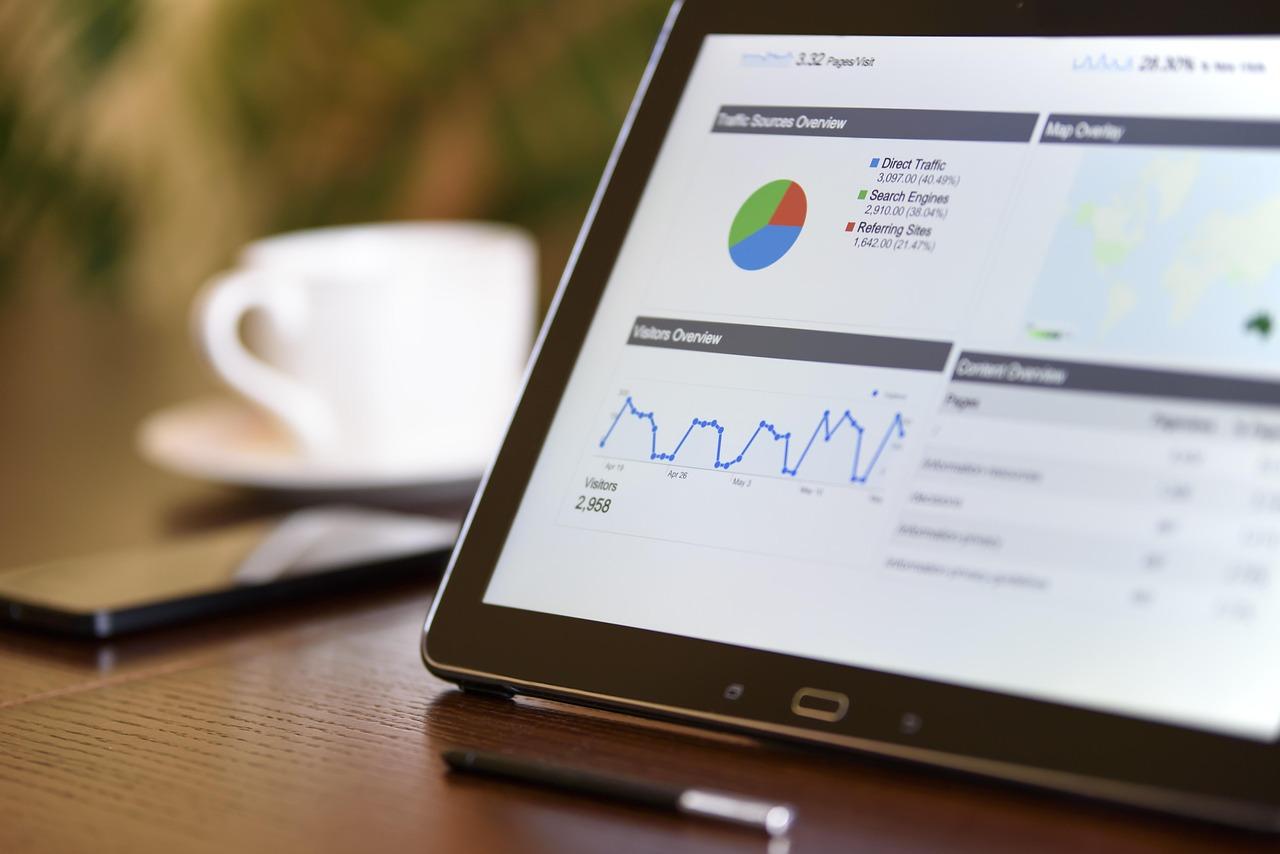
Lastly, keep your marketing efforts agile by analyzing performance metrics and adjusting strategies accordingly. Use tools like Google Analytics to track user behavior and identify areas for improvement. By remaining adaptable and responsive to market trends, you can ensure your platform remains attractive to both buyers and sellers.

Optimizing for Mobile: Why Your Site Needs a Responsive Design
In today’s digital landscape, a significant portion of your audience is browsing on mobile devices. With mobile usage surpassing desktop, the need for a responsive design has never been more critical. A responsive website adapts to different screen sizes, ensuring that regardless of the device your visitors use, they receive an optimal viewing experience.
Here are some compelling reasons why your site should embrace a responsive design:
- Improved User Experience: A responsive design enhances navigation and reduces the need for excessive scrolling or zooming, allowing users to find what they need quickly.
- Boosted SEO Rankings: Search engines like Google prioritize mobile-friendly sites. A responsive design can help improve your rankings, driving more organic traffic to your site.
- Higher Conversion Rates: When users find it easy to browse and complete transactions on your site, they are more likely to make purchases, leading to increased sales.
- Cost-Effective Maintenance: Maintaining one responsive site is generally more cost-effective than managing separate desktop and mobile sites, streamlining updates and changes.
To give you a clear picture of the benefits, consider the following comparison between a responsive site and a traditional mobile site:
| Feature | Responsive Design | Mobile-Specific Site |
|---|---|---|
| User Experience | Consistent across devices | Often inconsistent |
| Maintenance Cost | Lower | Higher |
| SEO Efficiency | More effective | Less effective |
| Development Time | Moderate | High |
As you plan your website development, remember that a responsive design is not just a trend; it’s an essential part of creating a user-friendly, efficient, and successful online marketplace. By prioritizing responsiveness, you’ll not only cater to your audience’s needs but also stay ahead in a competitive environment.
Navigating Legal Considerations When Selling Online
When venturing into the world of online selling, understanding the legal landscape is essential to ensure your business operates smoothly and remains compliant. As you embark on creating a platform like eBay, keep in mind that the legal requirements can vary widely depending on your location, the products you sell, and the audience you target. Here are some critical legal considerations to navigate:
- Business Structure: Decide whether you want to operate as a sole proprietor, partnership, LLC, or corporation. Each structure has its own advantages and implications for liability and taxation.
- Licenses and Permits: Research and obtain any necessary licenses or permits specific to your industry. This may include sales tax permits, home occupation permits, or health department permits for certain goods.
- Consumer Protection Laws: Familiarize yourself with consumer protection regulations in your jurisdiction, including rules on returns, exchanges, and warranties. Transparency is key to building trust with your customers.
- Privacy Policies: Implement a clear privacy policy that outlines how you collect, use, and protect customer information. This is crucial for compliance with laws like GDPR and CCPA.
- Intellectual Property: Ensure that your platform respects intellectual property rights. This includes avoiding the sale of counterfeit goods and understanding how to handle copyright and trademark issues that may arise.
Additionally, consider establishing terms of service that clearly communicate the rights and responsibilities of both sellers and buyers on your platform. This can help mitigate disputes and provide a framework for resolving any issues that may occur. Here’s a simple table outlining the key components to include in your terms of service:
| Component | Description |
|---|---|
| Acceptance of Terms | Users must agree to the terms before engaging with your platform. |
| User Responsibilities | Outline what is expected from users, including proper conduct and accurate listings. |
| Dispute Resolution | Explain the process for resolving disputes, including any mediation or arbitration steps. |
| Limitation of Liability | Specify your limitations in terms of liability for issues that arise from transactions. |
In addition to these elements, staying informed about evolving regulations surrounding online commerce is crucial. Regularly review your compliance with laws such as the Digital Millennium Copyright Act (DMCA) and e-commerce guidelines. Creating a compliance checklist can help you stay organized and proactive in addressing any legal issues that may arise.
don’t hesitate to consult with legal professionals who specialize in e-commerce. They can provide tailored advice based on your business model and help you navigate complex legal waters. With the right legal framework in place, you can focus on building a successful online marketplace that stands the test of time.
Analyzing Data to Improve Sales and Enhance User Experience
In the realm of e-commerce, data is the new gold. Analyzing user behavior and sales trends can provide invaluable insights that help shape your website into a more engaging platform. Understanding how visitors interact with your site allows you to tailor their experience, ensuring they find what they are looking for quickly and efficiently. The key is to leverage analytics tools to gain a comprehensive view of customer preferences and purchasing patterns.
One of the most effective strategies involves segmenting your audience based on their behavior. By categorizing users into different groups, you can create targeted marketing campaigns that resonate with their specific interests. Consider the following examples of user segments:
- Frequent Buyers: Users who purchase regularly and may appreciate loyalty rewards.
- Bargain Hunters: Users who are price-sensitive and respond well to discounts.
- New Visitors: First-time users who may need guidance to navigate your site.
Additionally, implementing A/B testing on various site elements can significantly enhance user engagement. By comparing two versions of a webpage, you can determine which design or content leads to higher conversion rates. Key areas to test include:
- Call-to-Action Buttons: Experiment with colors, placement, and wording.
- Product Descriptions: Test different styles to see which resonates best with your audience.
- Homepage Layout: Analyze which arrangements lead to longer session durations.
Moreover, utilizing a data-driven approach to inventory management can streamline your operations. By analyzing sales data, you can identify trends in product performance and adjust stock levels accordingly. Here’s a simple table illustrating how seasonal trends can influence inventory:
| Season | Top Selling Products | Suggested Inventory Level |
|---|---|---|
| Winter | Coats, Boots | 150% of last year’s sales |
| Spring | Gardening Tools, Bicycles | 120% of last year’s sales |
| Summer | Swimwear, Coolers | 130% of last year’s sales |
| Fall | School Supplies, Jackets | 110% of last year’s sales |
Incorporating these strategies not only boosts sales but also enhances the overall user experience. When users feel understood and catered to, they are more likely to return and make repeat purchases. Ultimately, a well-analyzed website leads to a loyal customer base and higher profit margins, making your venture more sustainable in the competitive e-commerce landscape.
Future Trends in Online Marketplaces: Staying Ahead of the Curve
The landscape of online marketplaces is evolving at a rapid pace, driven by changing consumer behaviors and technological advancements. To create a successful platform akin to eBay in 2026, it is essential to stay attuned to these future trends, ensuring that your marketplace not only meets current demands but also anticipates future needs.
Personalization will be at the forefront of online shopping experiences. Leveraging artificial intelligence to analyze user behavior and preferences can help tailor product recommendations, enhancing customer satisfaction and increasing conversion rates. Consider integrating features such as:
- Smart filters that adjust based on previous purchases
- Curated shopping experiences based on user interests
- Dynamic pricing models that offer personalized discounts
Another key trend to watch is the growing importance of sustainability. Consumers are becoming increasingly conscious of the environmental impact of their purchases. Developing features that highlight eco-friendly products or allow users to see the carbon footprint of items can set your marketplace apart. You can also explore partnerships with organizations that promote sustainable practices, which not only enhances brand reputation but can also attract a dedicated customer base.
Augmented reality (AR) is another technology poised to revolutionize online shopping. By incorporating AR, customers can visualize products in their own space before making a purchase, significantly reducing return rates and enhancing the shopping experience. Implementing AR functionalities could involve:
- Virtual try-ons for clothing and accessories
- Interactive product demonstrations
- 3D models for home decor and furniture
As the digital marketplace grows, so does the emphasis on community engagement. Building a social element into your platform can foster loyalty and create a sense of belonging among users. Encourage interactions through:
- User-generated content and reviews
- Discussion forums for buyers and sellers
- Live-streaming events showcasing products and connecting users
integrating blockchain technology can enhance security and transparency in transactions. Smart contracts can automate processes and ensure that all parties uphold their end of the deal. For an added layer of trust, consider providing:
| Blockchain Benefits | Description |
|---|---|
| Security | Immutable transaction records prevent fraud. |
| Transparency | All transactions are visible to all parties involved. |
| Lower Fees | Reduced reliance on intermediaries leads to lower transaction costs. |
By embracing these trends—personalization, sustainability, AR, community engagement, and blockchain—you can create a robust online marketplace that not only rivals eBay but stands out in the crowded digital landscape of 2026.
Frequently Asked Questions (FAQ)
Q&A: How to Create a Website Like eBay in 2026
Q1: Why should I consider building a website like eBay?
A: Building a website like eBay in 2026 offers a unique opportunity to tap into the thriving eCommerce market. With more consumers shifting to online shopping, creating a platform that caters to both buyers and sellers can lead to significant profits. Plus, if you provide a fresh take on the auction model or introduce innovative features, you could carve out your own niche in this competitive landscape.
Q2: What are the essential features my website should have?
A: To create a successful eBay-like website, you should incorporate features such as user accounts, a robust search function, secure payment options, and a reliable rating and feedback system. Consider adding mobile compatibility, a user-friendly design, and features like live auctions, personalized recommendations, and an efficient dispute resolution system to enhance the user experience.
Q3: How much will it cost to build a website like eBay?
A: The cost of building an eBay-like website can vary widely based on your needs and the complexity of the platform. You could spend anywhere from a few thousand dollars for a basic setup to upwards of hundreds of thousands for a fully customized solution. Factor in ongoing costs like hosting, maintenance, and marketing, and you’ll see that while it requires an investment, the potential returns can be significant.
Q4: What technology should I use to build this website?
A: In 2026, you have a plethora of technology options at your disposal. Use a robust eCommerce platform like Shopify or WooCommerce for a simpler approach, or custom build using frameworks like React or Angular for a more tailored solution. A strong backend is crucial, so consider Node.js or Django for your server-side programming. Additionally, ensure you have a secure payment gateway and a reliable hosting service to support your traffic.
Q5: How can I attract users to my new platform?
A: Attracting users to your new eBay-like platform requires a solid marketing strategy. Start by identifying your target audience and tailor your marketing efforts accordingly. Utilize social media, SEO, and content marketing to create buzz around your platform. Consider unique selling points, like lower fees or specialized categories, to differentiate yourself. Offering promotions or incentives for early users can also help build your initial user base.
Q6: What are some common challenges I might face?
A: Building a platform like eBay comes with its share of challenges. You’ll need to manage user trust and security, as fraud and scams are prevalent in online marketplaces. Developing a reliable system for monitoring transactions and handling disputes is essential. Additionally, keeping pace with technology trends and evolving user preferences requires constant adaptation.
Q7: Is it worth my time and effort?
A: Absolutely! While creating a website like eBay requires significant effort, dedication, and strategic planning, the rewards can be substantial. With the right approach, you can build a thriving community of buyers and sellers. Plus, being your own boss and creating a platform that could change the way people shop could be one of the most fulfilling endeavors of your career!
Q8: How can I ensure my website remains competitive in the market?
A: To stay competitive, constantly innovate! Keep an eye on market trends and competitor strategies. Regularly update your site with new features, improve user experience based on feedback, and stay engaged with your community. Building a brand around trust, transparency, and customer service will foster loyalty and keep users coming back.
Conclusion
Creating a website like eBay in 2026 is an exciting venture filled with potential. By understanding the essentials—from features to marketing strategies—you’ll be better equipped to build a platform that stands out in the bustling eCommerce landscape. So, are you ready to take the plunge? Your entrepreneurial journey awaits!
Key Takeaways
As we wrap up our exploration of how to create a website like eBay in 2026, it’s clear that the journey to building your own online marketplace is both exciting and rewarding. With the right tools, insights, and a dash of creativity, you can carve out your niche in the bustling world of e-commerce.
Remember, launching your site is just the beginning. By staying adaptable, focusing on user experience, and leveraging the latest technologies, you can not only compete with giants like eBay but also create a unique platform that resonates with your target audience.
So, are you ready to take the plunge? Whether you’re a seasoned entrepreneur or just starting out, now’s the perfect time to turn your vision into reality. Dive in, experiment, and don’t be afraid to innovate! Your future marketplace could be the next big thing, and who knows? You might just change the way people shop online.
Go ahead and start building your dream website today. The world of e-commerce is waiting for your unique touch!