
In today’s fast-paced digital landscape, businesses are constantly seeking the most effective ways to connect with their audience. With an ever-growing number of channels available, two contenders stand out: push notifications and email. Both have their unique strengths, but which one truly reigns supreme in capturing attention and driving engagement? In this article, we’ll dive deep into the battle of push notifications versus email, exploring their advantages and drawbacks, and ultimately helping you decide which tool can supercharge your communication strategy. Whether you’re a marketer, a business owner, or simply someone interested in the dynamics of digital communication, you’ll find insights that could revolutionize the way you reach out to your audience. So grab your favorite beverage, get cozy, and let’s unravel the mysteries of these powerful tools together!
Understanding the Basics of Push Notifications and Email
When it comes to engaging your audience, both push notifications and email have carved out significant niches in the digital marketing landscape. Each channel offers unique advantages and challenges, making it crucial for businesses to understand their core differences and how they can be effectively utilized to drive engagement.
Push notifications are brief, timely messages delivered directly to a user’s device via apps or web browsers. They are designed to grab attention quickly, making them ideal for:
- Instant Alerts: Great for real-time updates, such as breaking news or flash sales.
- User Engagement: Encourages interaction with apps, keeping users engaged.
- High Visibility: Appears on mobile devices or desktops, ensuring immediate notice.
On the other hand, email provides a more in-depth way to communicate with your audience. It allows for personalized content and longer messages. Consider the benefits:
- Detailed Communication: Perfect for in-depth explanations, newsletters, or product launches.
- Segmentation: Allows for targeted messaging based on user preferences and behaviors.
- Accessibility: Users can access emails at their convenience, making it a more flexible option.
To help you visualize the differences between these two channels, here’s a quick comparison:
| Feature | Push Notifications | |
|---|---|---|
| Delivery Speed | Instant | Varies |
| Content Length | Short | Long |
| User Engagement | High | Moderate |
| Best Use Case | Urgent updates | Informative campaigns |
Ultimately, the decision between push notifications and email should be guided by your specific goals and audience preferences. Consider testing both methods to see which resonates more with your users and yields better results. By understanding what each channel brings to the table, you can create a more comprehensive strategy that maximizes engagement and conversion.
The Engagement Factor: How Users Respond Differently
When it comes to user engagement, understanding how your audience interacts with different communication channels is essential. Both push notifications and emails have their unique attributes that can significantly affect user response rates. Push notifications are often seen as more immediate and direct, cutting through digital noise to grab users’ attention in real-time. This immediacy can lead to higher engagement rates, particularly for time-sensitive content such as promotions or alerts.
On the other hand, emails tend to offer a more comprehensive platform for storytelling and information sharing. Users may appreciate the ability to digest content at their own pace, allowing for deeper engagement when they open an email. Here’s a quick comparison of the two channels:
| Feature | Push Notifications | |
|---|---|---|
| Response Time | Immediate | Delayed |
| Engagement Rate | Higher for urgent content | Higher for detailed content |
| Click-through Rate | Often higher for single CTAs | Varies with content quality |
Furthermore, the context plays a crucial role in user engagement. Users are typically more receptive to push notifications when they are already engaged with an app or service. This is largely due to the fact that notifications can feel like a natural extension of their ongoing interaction. In contrast, emails can often be seen as just one more item in an overflowing inbox, leading to a lower likelihood of opening.
Another aspect to consider is user demographics. Younger audiences may find push notifications more appealing and are likely to respond faster, while older users might prefer the familiarity and detail provided by emails. This demographic divide underscores the importance of tailoring your communication strategy to fit the preferences and habits of your target audience.
Ultimately, the key is to leverage the strengths of both channels. Employing a balanced approach can create multiple touchpoints, enhancing user engagement while also respecting individual preferences. By experimenting with both methods and analyzing the results, you can refine your strategy to achieve optimal engagement from your users.
Timing is Everything: When to Use Each Communication Method
In the digital age, understanding when to reach your audience can significantly impact engagement and conversion rates. Different communication methods serve various purposes, and their timing can be the difference between a message that resonates and one that falls flat. While push notifications and emails are both powerful tools, they excel in different scenarios.
Push notifications are ideal for real-time engagement. If you have time-sensitive information, such as flash sales, breaking news, or urgent updates, these instant alerts grab attention right away. They pop up on users’ screens, prompting immediate action and can lead to higher response rates when urgency is involved. Consider using push notifications for:
- Limited-time offers
- Event reminders
- New app features or updates
On the other hand, emails allow for more in-depth communication and are better suited for delivering detailed information. When your message requires context, a narrative, or supporting materials, email is your best bet. Emails offer users the ability to engage at their own pace, making them perfect for:
- Newsletters
- Company announcements
- Follow-ups post-purchase
Timing also plays a crucial role in how effective each method can be. For instance, research shows that push notifications sent during peak mobile usage hours—like early mornings or lunch breaks—can significantly increase engagement. In contrast, emails tend to perform better when sent mid-week, particularly Tuesdays and Thursdays, when recipients are more likely to open and read them.
| Communication Method | Best Timing | Ideal Use Cases |
|---|---|---|
| Push Notifications | Real-time, peak hours | Urgent updates, flash sales |
| Mid-week (Tuesdays & Thursdays) | In-depth content, newsletters |
Ultimately, the key to effective communication lies in understanding your audience’s preferences and behaviors. By leveraging both push notifications and emails strategically, you can enhance your outreach efforts, ensuring that your messages are not only seen but also acted upon. Remember, choosing the right method at the right time can elevate your communication game and foster stronger relationships with your audience.

Personalization Matters: Tailoring Your Messages for Maximum Impact
When it comes to reaching your audience, one size definitely does not fit all. Personalization is key to ensuring your messages resonate, whether through push notifications or email campaigns. Tailoring your communications means taking into account not just the recipient’s name, but also their preferences, behaviors, and previous interactions with your brand.
Consider the following aspects to enhance your message personalization:
- Segmentation: Divide your audience into specific groups based on demographics, interests, or purchase history. This allows for more relevant content.
- Dynamic Content: Utilize content blocks that change based on user data, making each message feel unique and directly relevant.
- Behavioral Triggers: Send notifications or emails triggered by user actions, such as abandoned carts or recent product views, to drive immediate engagement.
Push notifications are immediate and attention-grabbing, making them an excellent tool for time-sensitive offers or updates. However, they can easily become intrusive if overused. Email, on the other hand, allows for more in-depth storytelling and can be personalized to a greater extent with rich visuals and text. The choice between the two can significantly impact how your audience perceives your brand.
To illustrate the effectiveness of personalization strategies for both channels, consider the following table:
| Channel | Personalization Strategy | Impact |
|---|---|---|
| Push Notifications | Geo-targeted offers based on user location | Increased engagement and immediate action |
| Curated product recommendations based on past purchases | Higher conversion rates and customer loyalty |
Ultimately, the success of your communication strategy lies in how well you know your audience. By leveraging data analytics and customer insights, you can craft messages that not only capture attention but also foster genuine connections. Whether you choose push notifications or emails, remember: the more tailored your approach, the greater the impact on your audience.
The Conversion Challenge: Which Method Drives More Action?
When it comes to driving user engagement and converting leads into customers, the competition between push notifications and email campaigns is fierce. Each method has its unique strengths, and understanding them can be the key to unlocking greater action from your audience.
Push Notifications: These instant alerts grab users’ attention and can lead to immediate actions. The advantages include:
- Timeliness: Push notifications deliver real-time updates, making them ideal for time-sensitive promotions or alerts.
- Higher Engagement Rates: With an average open rate exceeding 90%, users are more likely to engage with these notifications compared to traditional methods.
- Personalization: Tailored messages based on user behavior can significantly enhance conversion rates.
On the other hand, email remains a powerful tool for nurturing leads over the long term. Its benefits include:
- Detailed Communication: Emails allow for more in-depth information and storytelling, which can be essential for product explanations and brand building.
- Segmented Targeting: Marketers can create highly targeted campaigns based on user demographics and preferences, enhancing the likelihood of conversion.
- Strong Call-to-Action: Emails can include multiple links and detailed CTAs that encourage users to take multiple steps toward conversion.
| Feature | Push Notifications | |
|---|---|---|
| Open Rate | 90%+ | 20-30% |
| Response Time | Instant | Within hours/days |
| Content Length | Short & Snappy | Detailed & Informative |
Ultimately, the choice between push notifications and email boils down to your specific goals and audience preferences. While push notifications might drive immediate actions, emails excel in building relationships over time. A well-rounded strategy may involve integrating both methods to maximize engagement and conversion potential.
The User Experience: Navigating Notifications and Inboxes
In today’s fast-paced digital landscape, users are constantly bombarded with information, making it essential to understand how to effectively navigate notifications and inboxes. Both push notifications and emails serve as vital channels for communication, but they offer different experiences that can significantly influence user engagement and satisfaction. One key aspect to consider is the immediacy that push notifications provide. When users receive a notification on their devices, it often demands immediate attention, creating a sense of urgency that emails simply cannot replicate.
On the other hand, email manages to provide a more comprehensive platform for communication, allowing users to digest information at their own pace. Unlike push notifications, which are typically brief and to the point, emails can include detailed content, attachments, and personalized messages. This can make emails a better choice for complex communications, such as:
- Newsletters that require in-depth reading
- Official communications from companies or organizations
- Reports and updates that necessitate detailed explanations
However, the challenge lies in the overwhelming volume of emails users face daily. The average person receives dozens, if not hundreds, of emails a day, leading to cluttered inboxes and potential important messages being lost in the noise. To combat this, many people resort to categorizing or filtering their emails, which can enhance the user experience but also adds another layer of complexity. In contrast, push notifications often stand out, as they appear on the user’s screen, making them harder to ignore. This can lead to higher engagement rates for timely alerts, such as:
| Type of Notification | Best Use Cases |
|---|---|
| Push Notifications | Real-time updates, promotions, and alerts |
| Detailed information, newsletters, and formal communication |
Ultimately, the effectiveness of push notifications versus emails hinges on the context and the preferences of the user. Some may thrive on the immediacy of push notifications, while others might prefer the thoughtful, organized nature of emails. Understanding your audience and their habits can guide you in choosing the right approach for communication, ensuring you maximize user engagement without overwhelming them. Striking the right balance is essential for creating a positive user experience that fosters trust and encourages ongoing interaction.
Best Practices for Effective Push Notifications
Push notifications can be a powerful tool for engaging your audience, but to truly harness their potential, it’s essential to implement best practices that resonate with users. To start with, personalization is key. Tailoring notifications based on user behavior, preferences, and demographics can significantly enhance engagement rates. When users feel that the messages are crafted just for them, they are more likely to interact.
Another crucial aspect is timing. Sending notifications at the right moment can make all the difference. Analyze user activity patterns and schedule your messages accordingly. For instance, if you know that users are more active during lunch hours, that’s the perfect time to send a special offer or reminder. Avoid sending notifications late at night or during off-peak hours, as this can lead to annoyance rather than engagement.
Consider the content of your notifications as well. Keep the messages concise yet informative. Users appreciate brevity, so aim for a clear call-to-action that prompts immediate interaction. Use engaging language and create a sense of urgency when appropriate. Additionally, incorporating visuals or emojis can make your notifications more appealing and help them stand out in crowded notification panels.
Lastly, always provide an option for users to customize their preferences. Allow them to choose the types of notifications they want to receive and how often they want to be notified. This not only helps in building trust but also reduces the likelihood of users opting out. Here’s a quick reference table to illustrate some effective strategies:
| Strategy | Description |
|---|---|
| Personalization | Customize notifications based on user preferences and behavior. |
| Timing | Send messages at times when users are most active. |
| Content Quality | Use concise, engaging messages with a clear call-to-action. |
| User Control | Allow users to customize their notification preferences. |
By implementing these best practices, you can create push notifications that not only capture attention but also drive meaningful engagement with your content. The right approach can transform push notifications from a simple alert system into a dynamic tool for enhancing user experience.
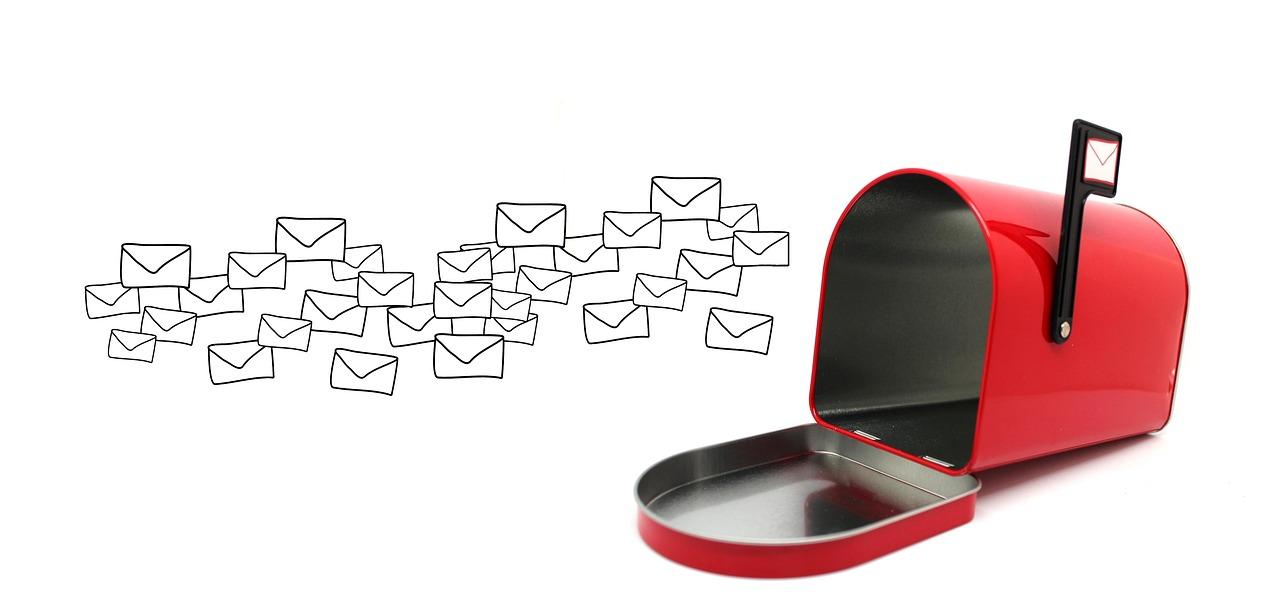
Crafting Irresistible Emails that Get Opened
In a world flooded with digital communication, capturing your audience’s attention is no small feat. Crafting emails that stand out in crowded inboxes is essential for any marketer or business owner aiming to boost engagement. Start with a compelling subject line—the first impression your recipient will have. Make it intriguing yet clear, as this can significantly influence open rates.
Consider using personalization techniques. Addressing your recipient by name can make your email feel more tailored and relevant. Additionally, segmenting your audience based on their preferences or previous interactions allows you to send targeted messages that resonate more deeply. This strategy not only increases the likelihood of your email being opened but also enhances the overall user experience.
Another effective tactic is to create a sense of urgency or exclusivity. Phrases like “limited time offer“ or “exclusive access” can motivate recipients to act quickly. Combine this with a succinct message that delivers value, and you have a recipe for success. Remember, people are more likely to open emails that promise to solve a problem or meet a need.
Additionally, consider the timing of your email. Sending messages when your audience is most likely to check their inbox can make a substantial difference. Experiment with different days and times to find what works best for your target demographic. Here’s a quick reference table to guide you:
| Day | Optimal Time to Send |
|---|---|
| Monday | 10 AM – 12 PM |
| Tuesday | 8 AM – 10 AM |
| Wednesday | 11 AM – 1 PM |
| Thursday | 1 PM – 3 PM |
| Friday | 10 AM – 12 PM |
don’t forget to test and analyze. Use A/B testing to compare different subject lines, content, and send times. Gathering data on how your audience responds will help you refine your approach and continuously improve your open rates. Remember, an effective email marketing strategy is not just a one-time effort but an ongoing process of learning and adapting.
Combining Forces: The Power of a Multi-Channel Approach
In today’s fast-paced digital landscape, relying solely on one communication channel can limit your outreach and engagement potential. By integrating various strategies, businesses can harness the strengths of multiple platforms, creating a cohesive user experience that drives better results. Combining push notifications and email marketing allows brands to reach their audience in a more targeted and effective manner.
Both push notifications and emails have unique advantages that can complement each other beautifully:
- Timeliness: Push notifications provide instant communication, alerting users to time-sensitive information, special offers, or important updates.
- Depth of Content: Emails allow for more detailed messaging, enabling brands to share comprehensive information, visuals, and links.
- User Engagement: Push notifications have higher immediate engagement rates, while emails can foster ongoing conversations and build relationships.
- Segmentation: Both channels can be tailored to specific audience segments, enhancing relevance and personalization in your messaging.
A strategic multi-channel approach involves understanding when and how to use each channel effectively. For instance, send a push notification to alert users about a flash sale, followed by an email that provides additional details and a direct link to the offer. This not only captures immediate attention but also reinforces the message, catering to different user preferences.
To visualize the impact of a multi-channel strategy, consider the following table that highlights key performance metrics:
| Channel | Engagement Rate | Best Use Cases |
|---|---|---|
| Push Notifications | 20-30% | Urgent updates, promotional alerts |
| 15-25% | Newsletters, detailed campaigns |
Ultimately, the key to success lies in finding the right balance between these channels. By monitoring response rates and adjusting your strategy accordingly, you can maximize the strengths of each platform. Engaging customers through both push notifications and emails not only improves your reach but also enhances customer satisfaction and loyalty, turning casual users into dedicated advocates for your brand.
Making the Right Choice: Recommendations Based on Your Goals
When deciding between push notifications and email, it’s crucial to align your choice with your specific objectives. Each method has its strengths and can cater to different goals effectively. Here’s a breakdown to guide your decision-making process:
- Engagement and Timeliness: If your goal is to engage users in real-time, push notifications excel. They pop up on users’ devices instantly, perfect for time-sensitive information such as flash sales or breaking news.
- Detailed Communication: For more in-depth content, newsletters, or detailed updates, emails are the way to go. They allow for richer storytelling and can include images, links, and calls to action that push notifications simply can’t match.
- User Retention: Push notifications can enhance user retention by reminding users of your app and encouraging them to return. However, emails can nurture relationships over time with personalized content and regular updates.
Here’s a quick comparison to visually summarize the differences:
| Feature | Push Notifications | |
|---|---|---|
| Delivery Speed | Instant | Depends on recipient’s inbox |
| Content Length | Short and concise | Long and detailed |
| User Interaction | Highly engaging | Less immediate |
| Customization | Limited | Highly customizable |
Ultimately, the best choice depends on your target audience and the nature of your message. If you need quick, high-impact communication, consider push notifications. On the other hand, if your content requires more context or you aim to build deeper connections, emails are your best bet. Assessing your goals will steer you toward the right approach, ensuring that your message resonates with your audience effectively.
Frequently Asked Questions (FAQ)
Q&A: Push Notifications vs Email – Which Works Better?
Q: What are push notifications?
A: Push notifications are short, real-time messages sent directly to a user’s device—like a smartphone or tablet—through apps. They pop up even when the app is not actively in use, making them hard to miss!
Q: How do push notifications compare to email?
A: While email is a more traditional form of communication that allows for detailed content, push notifications are designed for immediacy and brevity. Think of push notifications as quick nudges that draw attention, while emails can be more comprehensive and informative.
Q: Which has a better open rate?
A: Studies show that push notifications can boast open rates of up to 90%, while emails typically hover around 20%. The immediacy and visibility of push notifications play a significant role in this remarkable engagement!
Q: Can push notifications replace email entirely?
A: Not quite! Each serves a unique purpose. Push notifications are fantastic for time-sensitive updates, promotional alerts, or reminders, whereas emails excel in delivering detailed information, newsletters, and formal communication. They complement each other beautifully!
Q: What about user engagement? Which one drives more action?
A: Push notifications excel in driving immediate action. They create a sense of urgency, prompting users to engage with the content right away. Email can foster deeper engagement over time but often requires the user to prioritize reading it in their busy schedules.
Q: Are push notifications annoying?
A: They can be if overused! The key is to strike a balance. Sending relevant, personalized, and timely push notifications can enhance user experience, while excessive or irrelevant messages may lead to annoyance and uninstalls.
Q: How can brands effectively use both?
A: The best approach is a strategic combination! Use push notifications for urgent updates or promotions, and follow up with detailed emails that provide value and context. This way, you cater to users’ immediate needs while also nurturing them over time.
Q: Which should businesses prioritize?
A: It depends on your goals! If you want instant engagement and quick responses, lean towards push notifications. If you’re looking to build long-term relationships with your audience and share in-depth content, email should be a key player in your strategy. Ultimately, a balanced approach often yields the best results.
Q: What’s the bottom line?
A: Both push notifications and email have their strengths. Understanding your audience and how they prefer to receive information is crucial. By leveraging both methods wisely, you can maximize engagement and achieve your marketing objectives. So, why not use a little bit of both to create a powerful communication strategy?
Insights and Conclusions
while both push notifications and emails have their unique strengths, the choice between them ultimately hinges on your goals and your audience’s preferences. Push notifications offer immediacy and engagement, perfect for time-sensitive updates and quick interactions. On the other hand, emails provide a more detailed and personal touch, ideal for nurturing relationships and delivering in-depth content.
As you navigate the digital landscape, consider integrating both strategies to harness their combined power. By analyzing your audience’s behavior and preferences, you can create a tailored approach that maximizes your outreach and boosts your engagement rates. Remember, it’s not about choosing one over the other; it’s about finding the right balance that resonates with your audience. So, why not experiment with both and see which sparks the most joy and engagement? After all, effective communication is at the heart of any successful strategy. Happy communicating!