

Title: 6 Smart Ways to Handle WordPress Plugin Updates
When it comes to managing your WordPress site, keeping your plugins up to date is non-negotiable. But let’s face it—updating plugins can sometimes feel like a daunting task, fraught with the potential for compatibility issues, site downtime, and even security vulnerabilities. However, ignoring those updates can lead to bigger problems down the road. So, how do you strike the perfect balance between maintaining a secure, efficient site and avoiding unnecessary headaches?
In this article, we’ll explore six smart strategies that will not only simplify the updating process but also help you safeguard your site’s performance and integrity. Whether you’re a seasoned developer or a novice site owner, these tips will empower you to take control of your WordPress plugin updates with confidence. Let’s dive in and transform the way you think about plugin management!
Understanding the Importance of Regular Plugin Updates
Regular updates for your WordPress plugins are not just a good practice; they are essential for maintaining the health and security of your website. Every time a plugin is updated, it often includes not only new features but also crucial security patches and performance improvements. Ignoring these updates can leave your site vulnerable to various risks, including security breaches and compatibility issues.
One of the most significant reasons to prioritize updates is to protect your site from malware and hacking attempts. Cyber threats are constantly evolving, and developers work tirelessly to address vulnerabilities in their plugins. By staying current with updates, you’re effectively closing the door on potential hackers who might exploit outdated software. Remember, a secure website builds trust with your audience.
Furthermore, outdated plugins can lead to compatibility issues with your WordPress core and other plugins. As WordPress continually evolves, plugins must also keep pace to function smoothly. A mismatch can cause errors, crashes, and even downtime, which can be detrimental to both user experience and SEO rankings. Regular updates ensure that all components of your website work harmoniously.
Another often-overlooked benefit of updating plugins is improved performance. Developers frequently optimize code and enhance features, which can lead to faster loading times and a more responsive site. This not only enhances user experience but also positively affects your site’s search engine ranking. A well-performing site is essential in today’s digital landscape, where users expect instant access to information.
| Benefit of Updates | Impact on Your Site |
|---|---|
| Enhanced Security | Reduces risk of hacking |
| Better Performance | Faster load times |
| Improved Compatibility | Fewer site errors |
| New Features | Enhanced functionality |
Lastly, staying on top of your plugin updates can significantly enhance your site’s user experience. Regularly updated plugins can introduce new functionalities that improve how users interact with your site. Whether it’s better navigation, interactive features, or streamlined processes, these updates can lead to higher engagement and satisfaction among your users.
Identifying the Right Time to Update Your Plugins
Keeping your WordPress plugins up to date is crucial, but knowing when to make those updates can be just as important. Here are some indicators that it’s the right time to update your plugins:
- Security Vulnerabilities: If a plugin update addresses a known security issue, it’s vital to prioritize that update immediately. Ignoring such updates can leave your site susceptible to attacks.
- Compatibility Issues: When you update your WordPress core or another plugin and notice functionality issues, it’s a sign that your plugins may also need to be updated to ensure compatibility.
- New Features: Plugin developers often release updates that include new features to enhance user experience. Regularly checking for these can help you leverage the latest innovations.
- Performance Improvements: If you hear about performance enhancements in a plugin update, it’s a smart move to implement them. Better performance can lead to improved site speed and user satisfaction.
- Developer Recommendations: Stay tuned to the communication from developers. If they advise an update due to critical improvements or fixes, consider it a high priority.
Moreover, a systematic approach can simplify the decision-making process. Create a update schedule and stick to it. Here’s a simple table to help you track your plugin updates:
| Plugin Name | Last Updated | Next Scheduled Check | Notes |
|---|---|---|---|
| Yoast SEO | 2023-10-01 | 2023-10-15 | Check for new features |
| WooCommerce | 2023-09-28 | 2023-10-14 | Monitor for compatibility issues |
| Contact Form 7 | 2023-10-02 | 2023-10-16 | Security updates pending |
Lastly, remember to backup your site before any updates. This precaution ensures that you can easily revert back if something goes wrong. By staying proactive and informed, you’ll maintain a smooth-running website and enhance your visitors’ experience.

Creating a Reliable Backup Before Diving In
Before you leap into updating your WordPress plugins, it’s essential to safeguard your website by creating a reliable backup. This simple precaution can save you a world of hassle down the line, particularly if something goes awry during the update process.
There are several effective methods you can utilize to back up your WordPress site:
- Manual Backup: You can create a manual backup by downloading your website files via FTP and exporting your database through phpMyAdmin. While this method is thorough, it can be time-consuming and a bit technical for some users.
- WordPress Backup Plugins: Using a backup plugin like UpdraftPlus or BackupBuddy simplifies the process. These plugins automate backups and often allow you to schedule them, so you never forget.
- Hosting Provider Backups: Many hosting providers offer automatic backups as part of their service. Check with your host to see if this feature is included, and understand how to restore your site if needed.
Regardless of the method you choose, it’s vital to ensure that your backup includes both your website files and your database. This comprehensive approach guarantees that you can restore your site to its previous state effortlessly, should an update lead to unexpected complications.
Here’s a quick overview of the backup options:
| Backup Method | Pros | Cons |
|---|---|---|
| Manual Backup | Full control, no reliance on third-party services | Time-consuming, requires technical knowledge |
| Backup Plugins | User-friendly, automation options | Potential performance overhead, reliance on plugin updates |
| Hosting Provider Backups | Automatic, hassle-free | Limited control, may not cover all files |
Once you’ve successfully created a backup, you can proceed with the confidence that your site is protected. Remember, a few extra minutes spent backing up can save hours of stress and potential data loss later on. With this safety net in place, you’re ready to tackle those plugin updates head-on!
Testing Updates in a Staging Environment
When it comes to managing updates for your WordPress plugins, testing in a staging environment is a crucial step that shouldn’t be overlooked. A staging site is essentially a clone of your live site, where you can safely test updates without risking your website’s functionality or user experience. By implementing this practice, you can ensure that any new updates integrate seamlessly without causing unexpected issues.
Here are some key advantages of using a staging environment for plugin updates:
- Risk Mitigation: allows you to identify potential conflicts with your theme or other plugins before they affect your live site.
- Performance Analysis: You can assess how the update might impact your site’s performance, including load times and overall responsiveness.
- Feature Testing: A staging site lets you explore new features introduced by the update and determine if they meet your business needs.
- User Experience Evaluation: Check how the changes influence user interactions, ensuring a smooth experience for your visitors.
To efficiently set up a staging environment, consider the following steps:
- Choose a staging plugin or a hosting provider that offers one-click staging setups.
- Clone your live website to create a separate testing space.
- Perform the updates on your staging site and thoroughly test its functionality.
- Address any issues that arise before implementing the updates on your live site.
In addition to testing updates, it’s beneficial to keep track of the changes made during this process. A simple table can help you document plugin versions and any issues encountered:
| Plugin Name | Version Tested | Status | Notes |
|---|---|---|---|
| SEO Optimizer | 2.1.4 | Compatible | No issues found |
| Contact Form 7 | 5.4.1 | Minor Issues | Layout adjustments needed |
| WooCommerce | 5.6 | Compatible | All features functioning correctly |
By incorporating a staging environment into your update routine, you not only safeguard your website but also empower yourself to make informed decisions about plugin management. Implementing these practices will lead to smoother updates and a more reliable site for your users.
Managing Plugin Conflicts and Compatibility Issues
requires a proactive approach. When updating plugins, it’s essential to keep a few key strategies in mind to minimize disruption to your site.
- Perform Regular Backups: Before making any updates, ensure you have a complete backup of your site. This includes your database and all files. In case of conflicts, you can easily restore your site to its previous state.
- Check Compatibility: Always review the changelog and compatibility notes for each plugin update. Developers often indicate which versions of WordPress their plugins are compatible with, helping you avoid potential conflicts.
- Update Gradually: Instead of updating all plugins at once, do so gradually. This allows you to pinpoint which plugin may cause issues and address them one at a time.
In the event you encounter conflicts, a systematic approach can help you resolve them efficiently. Start by deactivating all plugins and then reactivate them one by one, testing your site after each activation. This will help you identify any problematic plugins. If you find a conflict, check for updates or look for alternatives that provide similar functionality without the issues.
Additionally, consider using staging environments for updates. A staging site is a clone of your live site where you can test updates and changes safely. This is a practical way to see how new updates perform without impacting your users.
engaging with the WordPress community can also provide insights into common conflicts. Forums and social media groups can be a treasure trove of information where fellow users share their experiences and solutions. By keeping connected, you can often find quick fixes or insights before they even become a problem for you.
Leveraging Automatic Updates for Hassle-Free Management
In the fast-paced world of WordPress, keeping your plugins updated is crucial for security, functionality, and performance. One of the most effective ways to ensure your site stays current without the constant manual effort is by utilizing automatic updates for your plugins. This feature allows you to focus on your content and audience rather than getting bogged down by version control.
Automatic updates offer numerous benefits:
- Time Savings: Set it and forget it! Automatic updates eliminate the need to regularly check for plugin updates, allowing you to dedicate more time to creating content.
- Enhanced Security: With vulnerabilities often discovered in outdated plugins, automatic updates help safeguard your site by ensuring you’re using the latest, most secure versions.
- Improved Performance: Updates often come with performance enhancements and bug fixes. Automatic updates mean your site benefits from these improvements without manual intervention.
To enable automatic updates for your plugins, navigate to your WordPress dashboard. Go to the Plugins section, and you’ll find the option to enable automatic updates for individual plugins. Simply toggle the setting to “on,” and you’re good to go!
However, while automatic updates are incredibly beneficial, there are a few best practices to keep in mind:
- Choose Reliable Plugins: Ensure you select plugins from reputable developers who regularly maintain and update their products.
- Monitor Site Performance: Keep an eye on your site after updates. Occasionally, a compatibility issue may arise, so being vigilant helps you catch any problems early.
- Backup Regularly: Always have a recent backup of your site. In case an update causes unexpected issues, you can restore your site quickly.
the convenience and security provided by automatic updates can transform your WordPress management experience. By leveraging this feature wisely and maintaining good practices, you can ensure that your site remains robust, secure, and up-to-date with minimal effort on your part.
Staying Informed About Plugin Development and Support
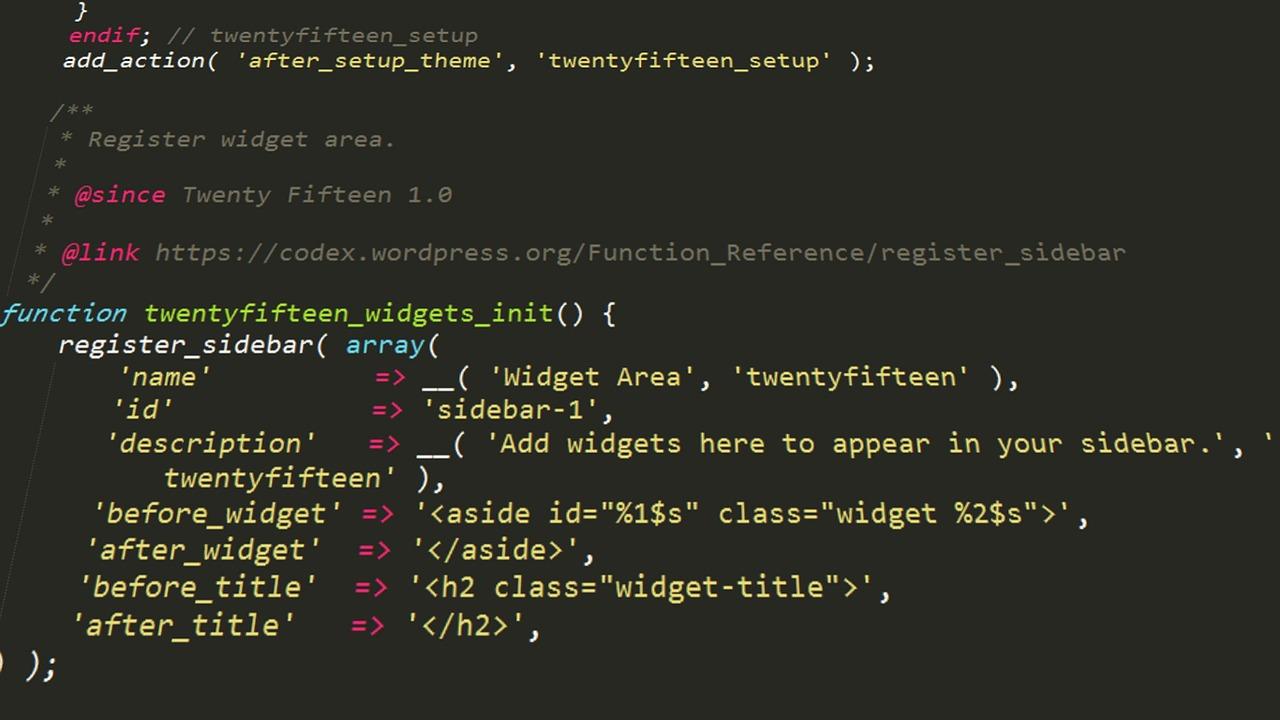
Keeping up with the latest developments in plugin technology is essential for every WordPress site owner. The world of plugins is constantly evolving, and staying informed can help you make better decisions regarding updates, compatibility, and security. Here are some effective strategies to ensure you are always in the loop:
- Subscribe to Developer Newsletters: Many plugin developers offer newsletters to keep users updated on new features, bug fixes, and security updates. Signing up is a great way to receive information directly in your inbox.
- Follow Community Forums: Engage with forums like the WordPress support forums or other dedicated communities. These platforms often discuss plugin-related issues and updates, providing valuable insights.
- Join Social Media Groups: Platforms like Facebook and LinkedIn have groups focused on WordPress development. Joining these groups can help you connect with other developers and enthusiasts who share tips and updates.
- Utilize RSS Feeds: Consider creating a feed for your favorite plugin blogs and news sites. This way, you can receive all updates in one place without having to search multiple websites.
Furthermore, interacting with plugins’ GitHub repositories can provide real-time updates on development progress. Many developers share their latest works and upcoming features there, allowing you to gain insights into potential future updates.
Lastly, consider attending WordPress Meetups or conferences. These events are excellent for networking, where you can learn directly from plugin developers and other WordPress professionals about emerging trends and best practices in plugin management.
| Resource Type | Benefits |
|---|---|
| Newsletters | Direct updates from developers |
| Community Forums | Peer support and troubleshooting |
| Social Media Groups | Networking and sharing insights |
| RSS Feeds | Consolidated news updates |
| Meetups | In-person learning and discussions |
Evaluating the Need for Alternatives to Outdated Plugins
In the fast-paced world of web development, relying on outdated plugins can lead to a host of issues, from security vulnerabilities to compatibility problems with the latest WordPress updates. While it may be tempting to stick with familiar tools, it’s crucial to evaluate the potential risks associated with maintaining these legacy plugins.
Consider the following factors when assessing whether to seek alternatives:
- Security Risks: Outdated plugins are prime targets for hackers. They can exploit known vulnerabilities, putting your site at risk. Regularly updated plugins often include patches for these vulnerabilities.
- Compatibility Issues: WordPress is continuously evolving. Plugins that aren’t updated may not work seamlessly with the latest versions of WordPress or with other plugins, leading to functionality problems on your site.
- Performance Impact: Legacy plugins can slow down your website’s performance. Newer alternatives may offer optimized code and improved loading speeds, enhancing the user experience.
- Lack of Support: Developers often discontinue support for outdated plugins, meaning you won’t receive updates or assistance if something goes wrong.
When considering a switch, it can be beneficial to perform a comparative analysis of potential alternatives. Below is a simple table to help you evaluate the features of legacy plugins against their modern counterparts:
| Feature | Outdated Plugin | Modern Alternative |
|---|---|---|
| Security Updates | No | Yes |
| Compatibility with Latest WordPress | No | Yes |
| Performance Optimization | Limited | High |
| User Support | Minimal | Extensive |
Taking the time to evaluate these aspects can save you headaches down the road. Don’t let nostalgia cloud your judgment; the right tools can make a significant difference in your site’s functionality and security. Embrace change, and your website—and its users—will thank you.
Crafting a Consistent Update Schedule for Your Site
Creating a regular update schedule for your site is essential to ensure that your WordPress plugins run smoothly and securely. By establishing a timeline, you can avoid the chaos of unexpected issues caused by outdated plugins. Here are some smart strategies to help you craft an effective update schedule:
- Assess Your Needs: Evaluate the plugins you use and determine their importance to your site’s functionality. Critical plugins may require more frequent updates, while less important ones can be scheduled less often.
- Monitor Plugin Updates: Keep an eye on the update notifications in your WordPress dashboard. You can also subscribe to plugin developers’ newsletters to stay informed about new releases and vital updates.
- Designate a Day: Choose a specific day of the week or month to perform updates. By making this a routine, you can streamline the process and reduce the risk of forgetting.
In addition to these strategies, consider implementing an update calendar. This visual tool can serve as a reminder and help you track what needs to be updated and when. Here’s a simple example of how you might structure this calendar:
| Week | Plugin Name | Action |
|---|---|---|
| 1 | Yoast SEO | Update |
| 2 | WooCommerce | Check for Updates |
| 3 | Contact Form 7 | Update |
| 4 | Jetpack | Check for Updates |
don’t forget to test your site after updates. This step is crucial to ensure all functionalities are intact post-update. Consider creating a staging site for testing before rolling out changes to your live environment. Regular updates paired with thorough testing is the best way to keep your WordPress site running smoothly and efficiently.
Frequently Asked Questions (FAQ)
Q&A: 6 Smart Ways to Handle WordPress Plugin Updates
Q: Why are WordPress plugin updates important?
A: Great question! Keeping your plugins updated is crucial for several reasons. First, updates often include security patches that protect your site from vulnerabilities. Second, they can enhance functionality and compatibility with themes and WordPress itself. Lastly, regular updates ensure that you’re utilizing the latest features and improvements, keeping your site fresh and competitive.
Q: What’s the first smart way to handle these updates?
A: The first step is to back up your website before making any updates. This is your safety net! By creating a backup, you can easily restore your site to its previous state if something goes wrong during the update process. Trust me, this step can save you a headache later!
Q: I’ve heard about staging environments. How do they work?
A: Staging environments are a game-changer! A staging site is a clone of your live site where you can test updates without affecting your actual website. This means you can identify any potential issues with plugins and troubleshoot them before going live. It’s like a dress rehearsal for your site!
Q: Is there a way to automate plugin updates?
A: Absolutely! You can enable automatic updates for your plugins. This can save you time and ensure that you’re always running the latest version. However, proceed with caution—some updates may cause conflicts, so it’s wise to monitor your site closely after enabling this feature.
Q: What should I do if an update breaks my site?
A: Don’t panic! If an update causes issues, you can easily roll back to the previous version using a backup or a version control plugin. Many backup solutions also allow you to restore specific files, so you can fix only what’s necessary without losing all your changes. Just remember to always have a backup plan!
Q: How often should I check for updates?
A: It’s best to check for updates regularly—ideally, at least once a week. Frequent checks keep your site secure and functioning smoothly. Set a schedule for yourself, maybe as part of your weekly website maintenance routine. Consistency is key!
Q: Lastly, what if I don’t have the technical skills to handle updates?
A: No worries! There are plenty of resources available, from detailed guides to professional services that can handle updates for you. You can also consider hiring a WordPress developer or using managed WordPress hosting, which often includes updates as part of their services. Investing in your site’s maintenance is well worth the peace of mind!
handling WordPress plugin updates doesn’t have to be daunting. By following these smart strategies, you can keep your site secure, functional, and up-to-date, allowing you to focus on what you do best—creating amazing content!
Key Takeaways
As we wrap up our exploration of the six smart ways to handle WordPress plugin updates, let’s take a moment to reflect on the importance of staying proactive in your website management. Navigating the world of plugins can be a challenge, but with the right strategies in place, you can enhance your site’s performance and security without anxiety.
Remember, updates are not just about adding new features; they’re essential for keeping your site running smoothly and safely. By implementing a routine that includes regular backups, staging environments, and careful review of update logs, you’re setting yourself up for success. You’ll not only save time in the long run but also gain peace of mind knowing your website is secure and up-to-date.
So, take these tips to heart and make them part of your WordPress maintenance routine. Your website deserves it, and so do you! If you have any questions or want to share your own experiences with plugin updates, don’t hesitate to reach out in the comments below. Let’s keep the conversation going and ensure we all benefit from a healthier, more efficient WordPress journey together! Happy updating!